What You'll Learn
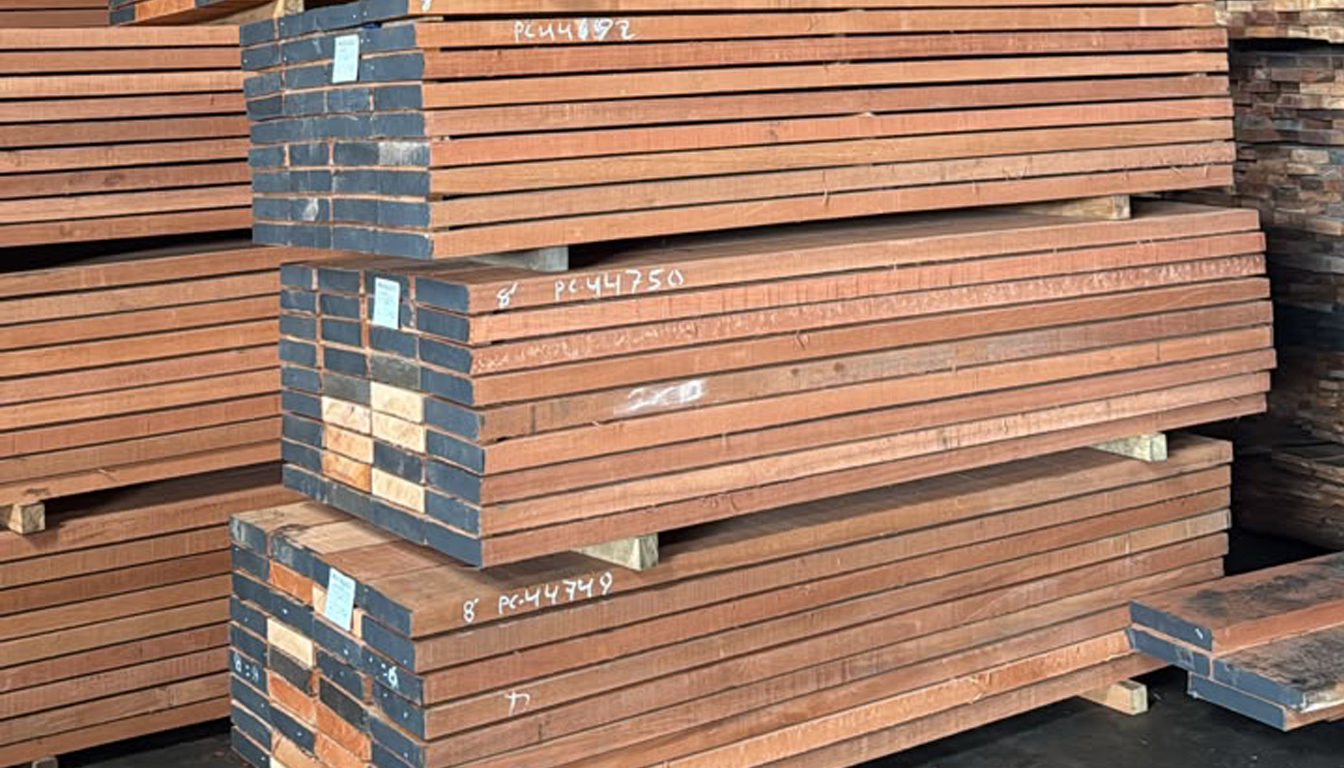
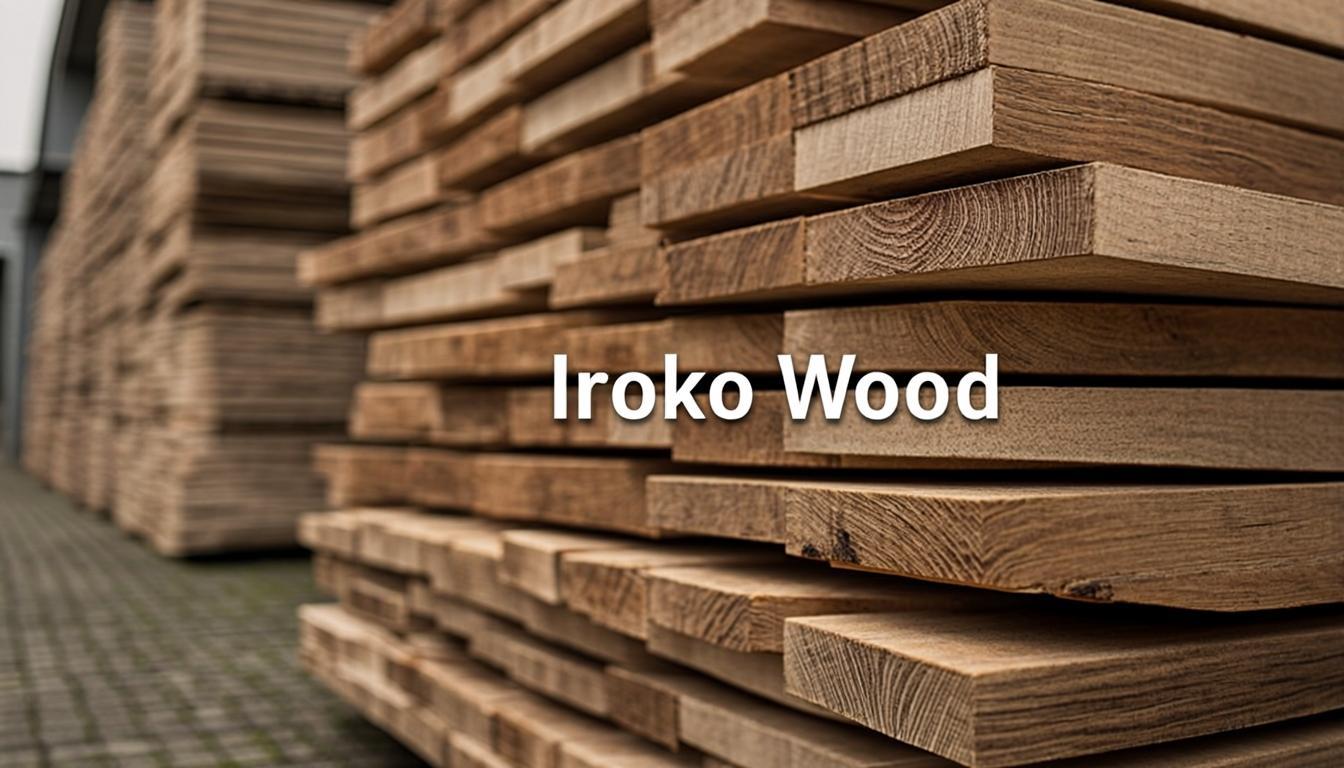
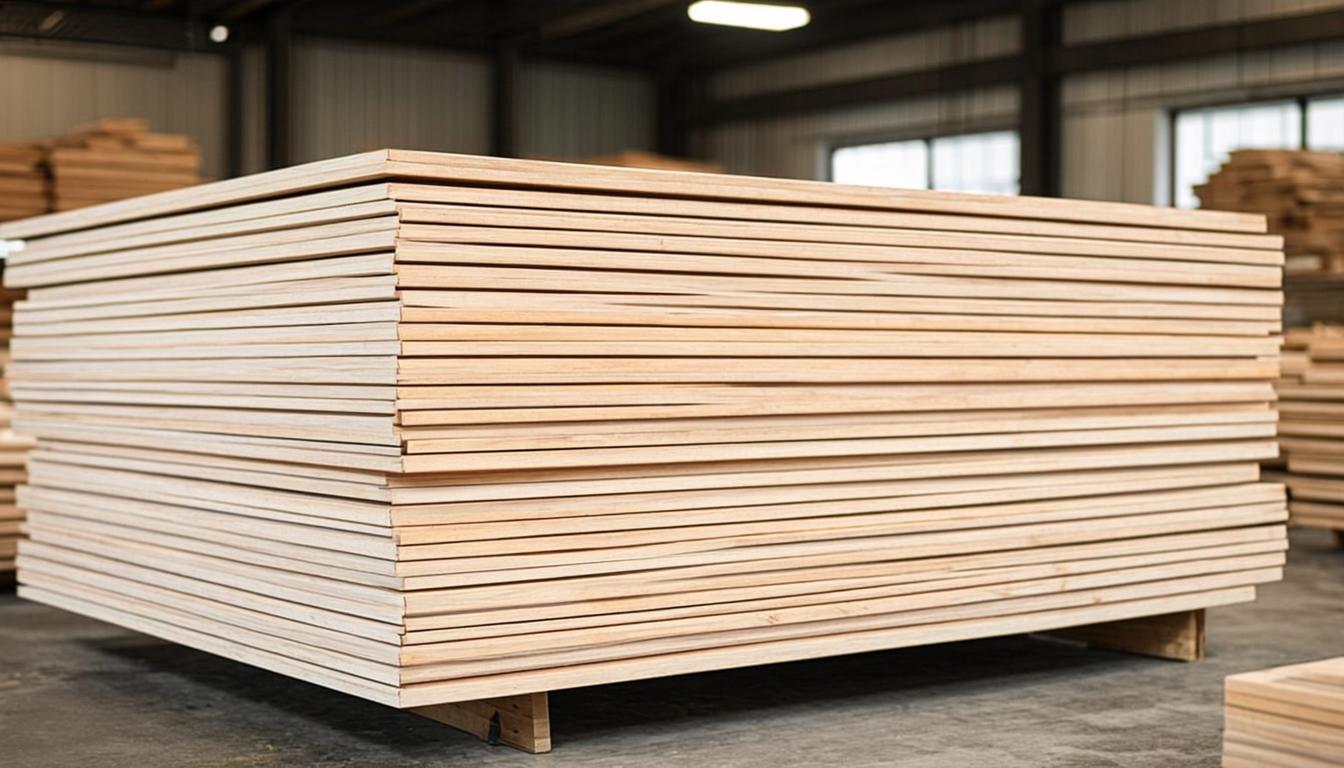
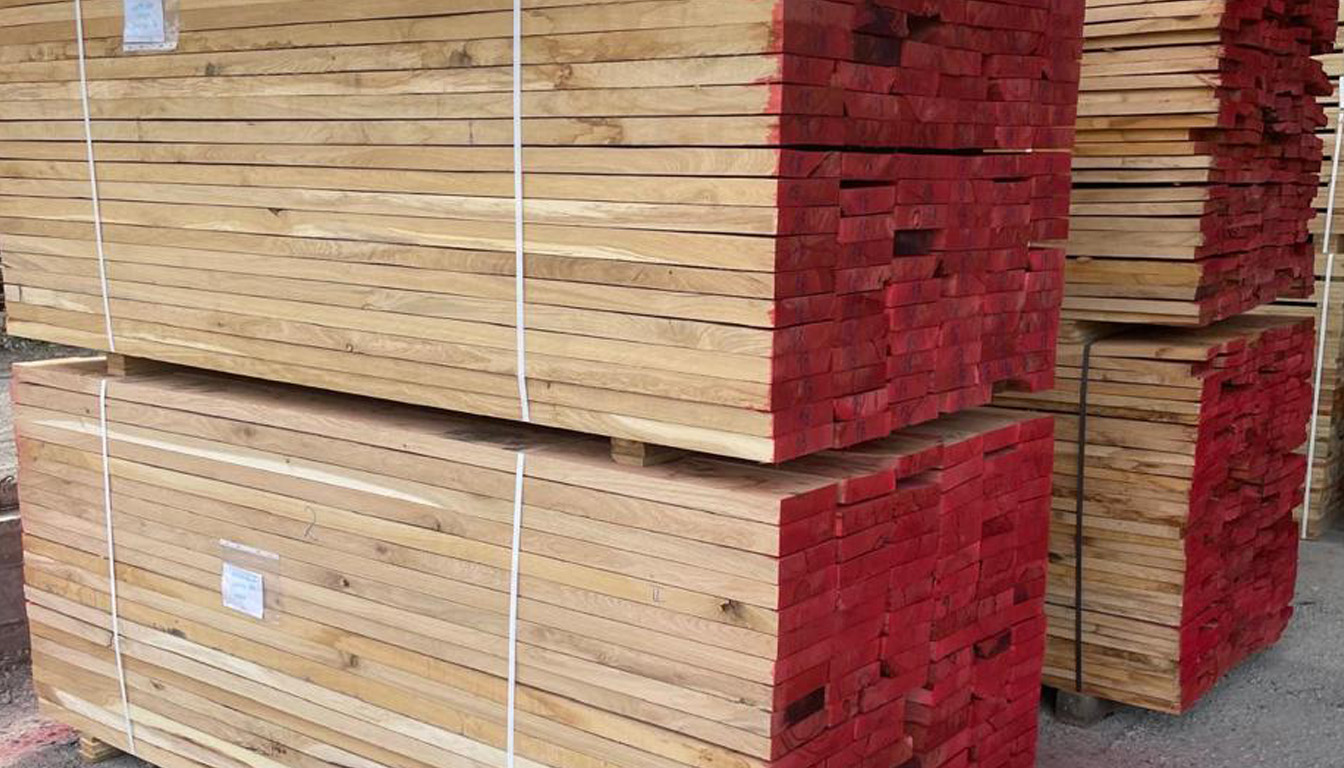
White Oak Wood is one of the most revered hardwoods in the world — prized by furniture makers, flooring manufacturers, architects, and whiskey distillers alike. Known scientifically as Quercus alba, this North American native combines exceptional strength, beautiful grain, and natural moisture resistance in a way few other woods can match. From the barrels that age your favorite bourbon to the heirloom dining tables that pass through generations, White Oak has earned its place as a cornerstone of premium woodworking.
In India, the demand for imported White Oak has grown significantly over the past decade as architects, interior designers, and discerning homeowners seek alternatives to traditional teak. Its distinctive straight grain, warm light-to-medium brown color, and excellent workability make it ideal for modern minimalist interiors, contemporary furniture, and high-traffic flooring applications. At Horizon Wood Timber, we supply premium-grade White Oak sourced from sustainably managed North American forests, with full FSC certification and chain-of-custody documentation.
This comprehensive guide covers everything you need to know about White Oak Wood — its properties, common uses, pricing, grades, and how to choose quality timber for your next project. Whether you're a furniture maker sourcing material for a collection or a homeowner planning custom cabinetry, this guide will help you make an informed purchase decision.
What is White Oak Wood?
White Oak is a hardwood species native to eastern and central North America, ranging from Quebec in Canada down to northern Florida. The trees are slow-growing and long-lived, often reaching 200-300 years of age and heights of 80-100 feet. The wood derived from these mature trees is dense, heavy, and remarkably durable.
The name "White Oak" can be slightly misleading — the wood is not actually white. The heartwood ranges from light tan to medium brown, often with an olive cast, while the sapwood is paler and not always clearly demarcated. The name actually refers to the pale color of the tree's bark, which has a whitish, scaly appearance compared to the darker, ridged bark of Red Oak.
What truly sets White Oak apart is its cellular structure. Unlike Red Oak, which has open, porous cells, White Oak has "tyloses" — bubble-like structures that seal the pores. This closed cellular structure makes White Oak naturally waterproof, which is why it has been the preferred wood for wine and spirit barrels for centuries. It's also why White Oak is suitable for outdoor applications where Red Oak would quickly rot.
White Oak Wood Properties
Understanding the physical and mechanical properties of White Oak helps explain its versatility and enduring popularity:
| Property | Value | Implication |
|---|---|---|
| Janka Hardness | 1,360 lbf | Hard — resists dents and wear |
| Density | 755 kg/m³ (47 lbs/ft³) | Heavy and dense |
| Modulus of Rupture | 15,200 psi | Strong — handles heavy loads |
| Modulus of Elasticity | 1,830,000 psi | Stiff — resists bending |
| Shrinkage (Radial) | 5.6% | Moderate dimensional stability |
| Shrinkage (Tangential) | 10.5% | Moderate — needs proper seasoning |
| Workability | Good | Machines, glues, and finishes well |
| Natural Decay Resistance | High | Suitable for outdoor use |
The combination of hardness, density, and natural decay resistance makes White Oak an exceptional choice for applications requiring both beauty and longevity. Its closed grain takes finishes beautifully, ranging from natural oils that highlight the wood's character to darker stains that complement traditional interiors.
Common Uses & Applications
White Oak's versatility makes it suitable for an exceptionally wide range of applications:
1. Hardwood Flooring
White Oak is the most popular species for premium hardwood flooring worldwide. Its hardness withstands decades of foot traffic, while its tight grain resists spills and stains. Available in plainsawn, quartersawn, and riftsawn cuts, White Oak flooring suits every design style from rustic farmhouse to contemporary minimalist.
2. Fine Furniture
From dining tables to bedroom sets, White Oak is a furniture maker's favorite. Its workability allows for clean joinery, and its stable nature means well-built pieces resist warping across seasons. The wood's neutral tone pairs beautifully with both warm and cool color palettes.
3. Cabinetry & Millwork
White Oak cabinetry has become a hallmark of high-end kitchens. Quartersawn White Oak, with its distinctive medullary ray flecks, is particularly prized for Craftsman and Arts & Crafts style cabinetry. The wood accepts paint and stain equally well, offering design flexibility.
4. Architectural Doors & Windows
White Oak's dimensional stability and weather resistance make it ideal for exterior doors, entry doors, and window frames. Many heritage buildings feature White Oak doors that have served for over a century.
5. Wine & Spirit Barrels
The single largest use of White Oak by volume is in barrel-making (cooperage) for aging wine, whiskey, bourbon, and other spirits. The wood's closed cellular structure prevents leakage, while natural compounds like vanillin and tannins add desirable flavors and aromas.
6. Interior Paneling & Wall Accents
White Oak paneling brings warmth and sophistication to interior walls. Vertical grain White Oak is particularly popular in modern offices, hotels, and luxury residences seeking a refined natural aesthetic.
7. Boat Building & Outdoor Furniture
Thanks to its natural moisture resistance, White Oak has historically been used in boat building for frames, keels, and planks. It remains a preferred choice for premium outdoor furniture that must withstand weather exposure.
White Oak vs Red Oak: What's the Difference?
White Oak and Red Oak are often confused, but they have distinct differences that affect performance and price:
| Feature | White Oak | Red Oak |
|---|---|---|
| Color | Light tan to medium brown, olive cast | Pinkish to reddish-brown |
| Grain | Closed (tyloses present) | Open, porous |
| Janka Hardness | 1,360 lbf | 1,290 lbf |
| Water Resistance | Excellent (barrel-grade) | Poor (rots outdoors) |
| Decay Resistance | High | Low |
| Price | Premium (15-25% higher) | Mid-range |
| Best For | Flooring, outdoor, barrels, premium furniture | Indoor furniture, cabinetry |
Rule of thumb: If the application involves moisture, outdoor exposure, or premium aesthetics — choose White Oak. For indoor, budget-conscious projects where warmth and reddish tones are desired — Red Oak is perfectly suitable.
White Oak Wood Grades
White Oak is graded according to the National Hardwood Lumber Association (NHLA) standards. The main grades you'll encounter in the Indian market are:
- FAS (First & Seconds): The highest grade, yielding 83%+ clear cuttings. Best for premium visible applications like tabletops and cabinetry faces.
- FAS One Face (F1F): Similar to FAS but with one lower-quality face. Good value for many applications.
- Select: Yields 83% clear on the best face, 66.7% on the worst. Popular for furniture and cabinetry.
- No. 1 Common: 66.7% clear yield. Suitable for mid-range furniture, shelving, and painted applications.
- No. 2 Common: 50% clear yield. Used for hidden furniture parts, pallets, and rough construction.
For premium visible furniture and flooring, always specify FAS or Select grade. For painted cabinetry or hidden structural parts, No. 1 Common offers good value.
White Oak Wood Price in India (2026)
White Oak is an imported hardwood in India, so pricing depends on origin, grade, and current exchange rates:
| Variety | Grade | Price (Rs./cft) |
|---|---|---|
| American White Oak | FAS | 3,500 - 4,500 |
| American White Oak | Select | 2,800 - 3,500 |
| American White Oak | No. 1 Common | 2,200 - 2,800 |
| European White Oak | FAS | 4,000 - 5,500 |
| Quartersawn White Oak | Select & Better | 4,500 - 6,500 |
Prices are indicative for January 2026 and vary by supplier, quantity, and current import duties. For an accurate quote based on your requirements, contact Horizon Wood Timber.
Buying Tips for White Oak Wood
To get the best value when purchasing White Oak, keep these tips in mind:
- Specify the grade clearly: Always request FAS or Select grade for visible applications and ask for grading certificates.
- Check moisture content: Properly kiln-dried White Oak should read 8-12% moisture. Higher readings risk warping and cracking.
- Inspect for defects: Look for knots, splits, checks, and wane. Premium boards should be largely clear.
- Ask about origin: American White Oak (from Appalachia) is generally considered the highest quality. European White Oak offers a slightly different look.
- Consider cut type: Plainsawn is most common and affordable; quartersawn costs more but reveals beautiful medullary ray figure; riftsawn offers a clean linear look.
- Buy from established suppliers: Choose suppliers like Horizon Wood Timber who provide certification, proper storage, and reliable delivery.
- Request samples: For large orders, always request a sample board to verify color, grain, and quality before committing.