What You'll Learn
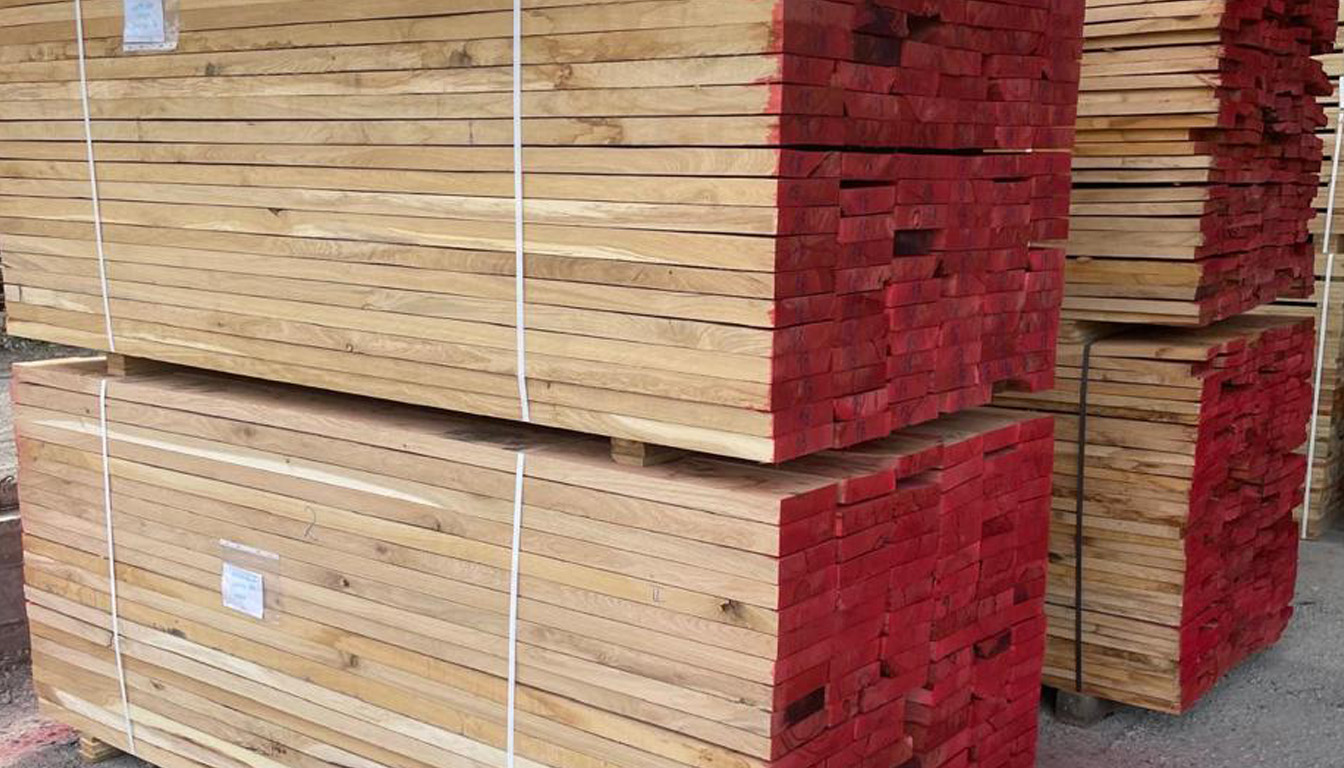
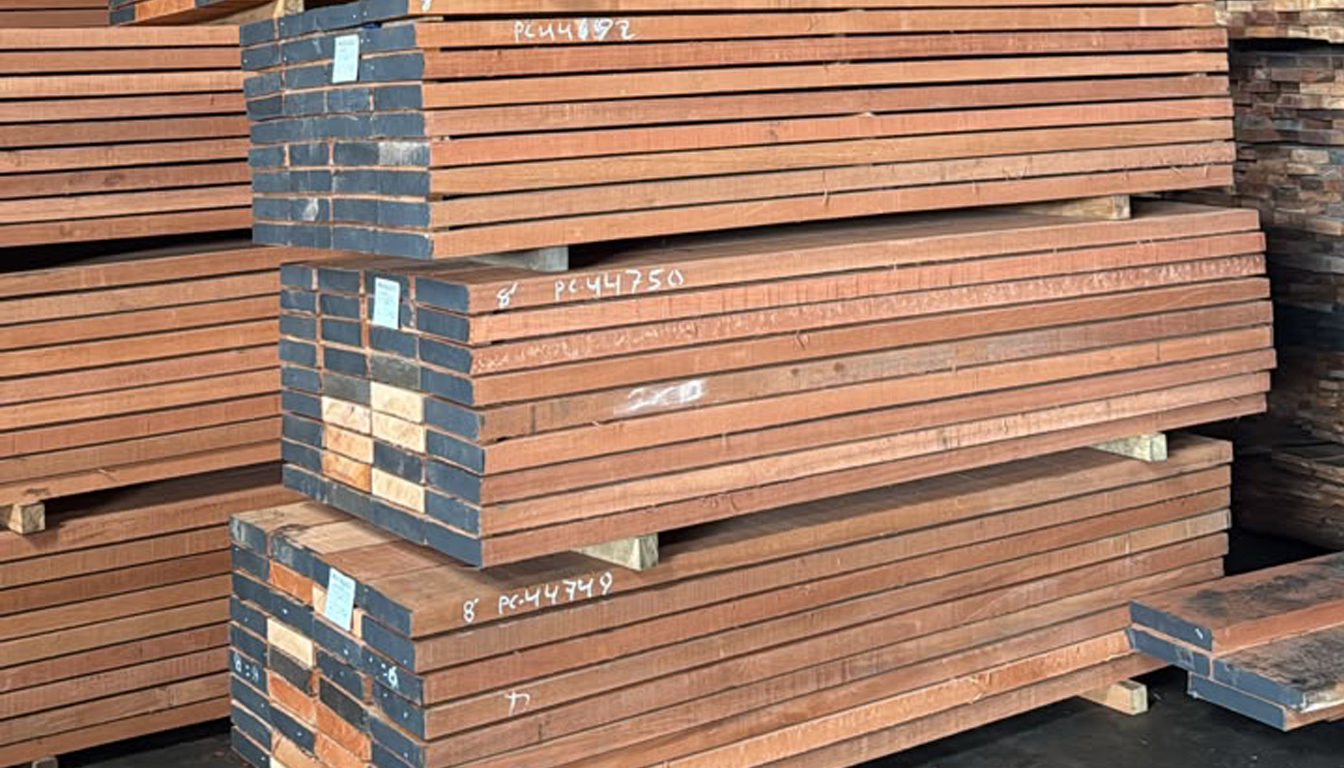
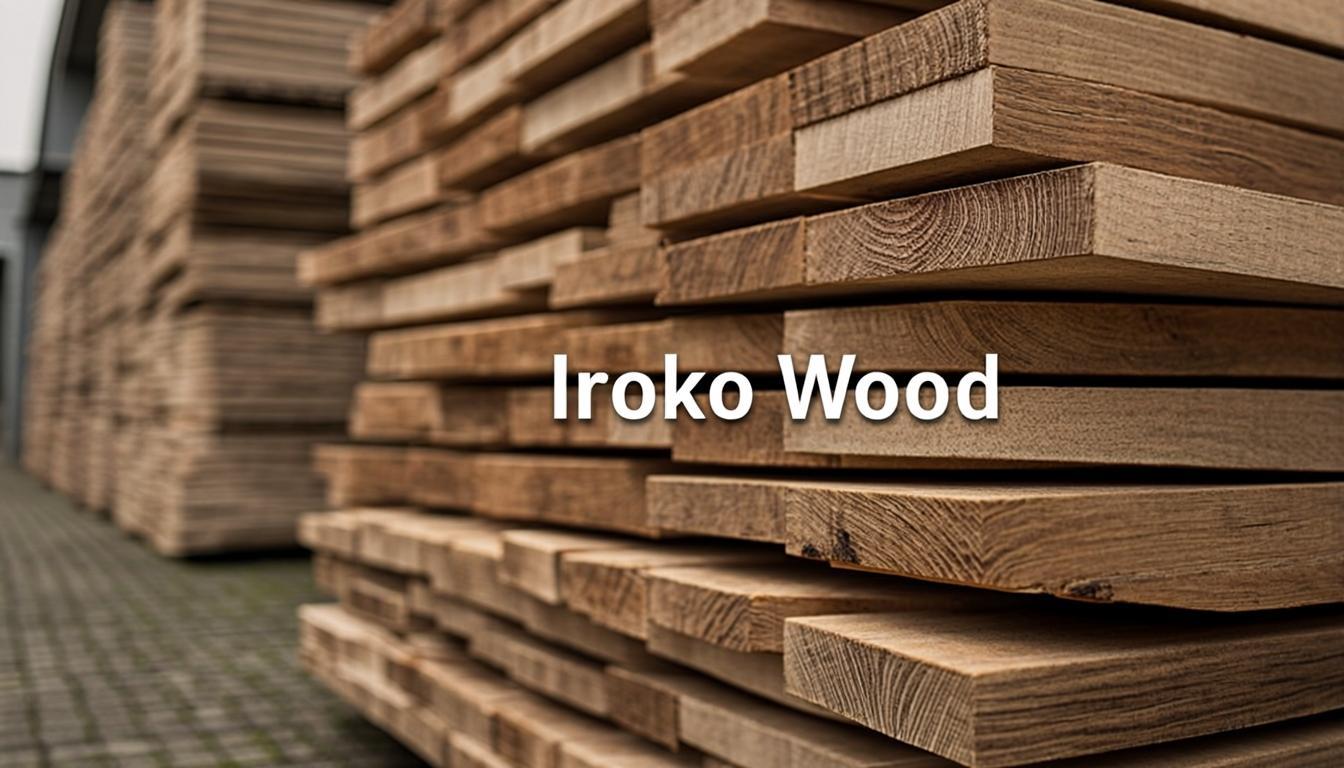
Iroko Wood, often called "African Teak," is one of the most remarkable tropical hardwoods available in the Indian market today. Native to the equatorial forests of West and Central Africa, this durable hardwood has earned its teak-alternative reputation through decades of proven performance in outdoor furniture, marine applications, and exterior construction — often at less than half the cost of genuine Burma teak.
For Indian buyers seeking premium durability without the premium price tag, Iroko represents an exceptional value proposition. Its natural resistance to moisture, decay, and insects rivals that of true teak, while its rich golden-brown color and interlocked grain create a distinctive appearance that works equally well in traditional and contemporary designs. Whether you're building outdoor furniture, marine components, or premium interior doors, Iroko delivers performance that punches well above its price class.
At Horizon Wood Timber, we source premium-grade Iroko from sustainable forests in Ghana, Cameroon, and Ivory Coast, with proper FSC certification and full chain-of-custody documentation. This comprehensive guide covers everything you need to know about Iroko Wood — its properties, common uses, pricing, and how it compares to the genuine teak it so often replaces.
What is Iroko Wood?
Iroko is the trade name for timber derived from two closely related African tree species: Milicia excelsa (formerly Chlorophora excelsa) and Milicia regia. These large, long-lived trees are native to the tropical regions stretching across sub-Saharan Africa, from Senegal in the west to Tanzania and Mozambique in the east. Mature Iroko trees can reach heights of 50 meters (160 feet) with trunk diameters of 2-3 meters, producing large volumes of high-quality timber.
The heartwood of Iroko ranges from a pale golden-yellow when freshly cut to a deeper medium-to-dark brown as it ages, often with lighter streaks that create a striated appearance. The grain is typically interlocked, producing a characteristic irregular figure that adds visual interest. The texture is moderately coarse but even, and the wood has a natural, slightly oily feel similar to teak — though with less oil content than its Asian counterpart.
The nickname "African Teak" emerged in the early 20th century when European timber traders recognized Iroko's similar properties to true teak. While the two species are botanically unrelated — Iroko belongs to the Moraceae (mulberry) family, while teak belongs to Lamiaceae (mint family) — the practical similarities in durability, moisture resistance, and appearance made the comparison apt. Today, Iroko is recognized as a distinct and valuable timber in its own right, with a well-established global market.
Iroko Wood Properties
Iroko's combination of durability, stability, and workability makes it a versatile premium hardwood:
| Property | Value | Implication |
|---|---|---|
| Janka Hardness | 1,260 lbf | Hard — resists wear and denting |
| Density | 625 kg/m³ | Heavy, similar to teak |
| Modulus of Rupture | 14,800 psi | Strong — handles heavy loads |
| Shrinkage (Radial) | 3.0% | Excellent dimensional stability |
| Shrinkage (Tangential) | 5.0% | Very low — minimal movement |
| Workability | Good (with sharp tools) | Interlocked grain requires care |
| Natural Decay Resistance | Very High | 20-40 year outdoor durability |
| Termite Resistance | High | Naturally repellent |
| Marine Borer Resistance | High | Suitable for boat building |
Iroko's exceptional dimensional stability — with total shrinkage of just 8% from green to oven-dry — makes it one of the most stable tropical hardwoods available. This stability, combined with its natural durability, explains why Iroko has been used for centuries in African traditional construction and was historically the preferred wood for ship decks and marine pilings.
Common Uses & Applications
Iroko's versatility makes it suitable for both indoor and outdoor applications:
1. Outdoor Furniture
Iroko is widely used for premium outdoor furniture — garden benches, dining sets, loungers, and patio furniture. Its natural weather resistance means it can remain outdoors year-round in most climates, developing an attractive silvery-grey patina if left untreated.
2. Marine and Boat Building
Historically used for ship decks, Iroko remains a preferred wood for boat building — including planking, decks, trim, and interior cabinetry. Its resistance to marine borers and moisture makes it ideal for saltwater environments.
3. Exterior Doors and Windows
Iroko's stability and weather resistance make it an excellent choice for premium exterior doors and window frames. Unlike many hardwoods that warp or rot in outdoor exposure, Iroko maintains its dimensions and appearance for decades.
4. Hardwood Flooring
Iroko flooring offers a warm, golden appearance similar to teak. Its hardness and dimensional stability make it suitable for high-traffic residential and commercial applications, including sports floors.
5. Cabinetry and Joinery
For premium interior cabinetry, Iroko offers the appearance and durability of teak at a lower cost. It's used for kitchen cabinets, bathroom vanities, and architectural millwork where moisture resistance is beneficial.
6. Carving and Sculpture
African artisans have carved Iroko for centuries. The wood's durability and fine working characteristics make it suitable for detailed carving, sculpture, and decorative elements.
7. Bridge and Construction Timbers
In structural applications requiring durability, Iroko is used for bridge beams, marine pilings, dock components, and heavy construction timbers exposed to weather.
8. Veneer and Decorative Panels
High-quality Iroko logs are sliced into decorative veneers for furniture, paneling, and architectural applications where the wood's attractive figure can be displayed economically.
Iroko vs Teak: Detailed Comparison
The most common question about Iroko is how it compares to genuine teak. Here's a detailed comparison:
| Feature | Iroko | Genuine Teak |
|---|---|---|
| Botanical Name | Milicia excelsa | Tectona grandis |
| Origin | West & Central Africa | South/Southeast Asia |
| Color | Golden to medium brown | Golden-brown |
| Grain | Interlocked | Straight |
| Janka Hardness | 1,260 lbf | 1,070 lbf (harder than teak) |
| Oil Content | Low-Moderate | High (3-5%) |
| Outdoor Lifespan | 40-60 years | 75-100+ years |
| Dimensional Stability | Excellent | Excellent |
| Marine Borer Resistance | High | Very High |
| Workability | Good (dulls tools) | Good |
| Price (Rs./cft) | 1,800 - 3,200 | 3,500 - 5,500 |
| Value Verdict | Excellent value | Premium |
Bottom line: For outdoor furniture, marine use, and exterior doors, Iroko delivers 80-85% of teak's performance at 60-70% of the cost. For luxury yacht decks and statement pieces where every detail matters, genuine teak remains superior. For everything else, Iroko is the smart choice.
Working with Iroko Wood
Iroko presents some specific working characteristics that craftsmen should understand:
Cutting and Machining
Iroko's interlocked grain can cause tear-out during planing and molding. Use sharp tools, reduced cutting angles (15-20°), and slower feed rates for clean results. Carbide-tipped blades are recommended as the wood's silica content dulls steel quickly.
Gluing
Iroko's natural oils can interfere with adhesive bonding. Wipe surfaces with a solvent (acetone or denatured alcohol) before gluing, and use resorcinol, epoxy, or polyurethane adhesives for best results.
Finishing
Iroko takes finishes well, but natural oils may cause some finishes to dry slowly. Apply a thin sealer coat first, allow extended drying time between coats, and avoid water-based finishes that may not adhere well. Teak oil, tung oil, or marine varnish are excellent choices for outdoor applications.
Precautions
Iroko dust can cause allergic reactions and skin irritation in some individuals. Always use dust collection, wear a NIOSH-approved respirator, and work in a well-ventilated area when machining this wood.
Iroko Wood Grades
Iroko is typically graded under African timber standards:
- Prime / FAS: 90%+ clear yield, uniform color. Premium visible applications.
- Select: 80%+ clear yield, occasional small knots. Standard furniture and millwork.
- Standard: 60%+ clear yield, more knots and color variation. Budget furniture and structural use.
- Construction: Sound knots, defects allowed. Structural and marine applications where appearance is secondary.
Iroko Wood Price in India (2026)
| Variety | Grade | Price (Rs./cft) |
|---|---|---|
| African Iroko | Prime / FAS | 2,800 - 3,200 |
| African Iroko | Select | 2,200 - 2,800 |
| African Iroko | Standard | 1,800 - 2,200 |
| African Iroko | Construction | 1,500 - 1,800 |
| Iroko Plywood (19mm) | Commercial | 110 - 150 per sq.ft |
For an accurate quote, contact Horizon Wood Timber.