What You'll Learn
Red Meranti Wood is one of the most widely used hardwoods in India's furniture and construction industry. Sourced primarily from the tropical forests of Southeast Asia — Malaysia, Indonesia, and the Philippines — this versatile wood offers an excellent balance of strength, workability, and affordability that has made it a favorite among furniture manufacturers, interior designers, and builders alike.
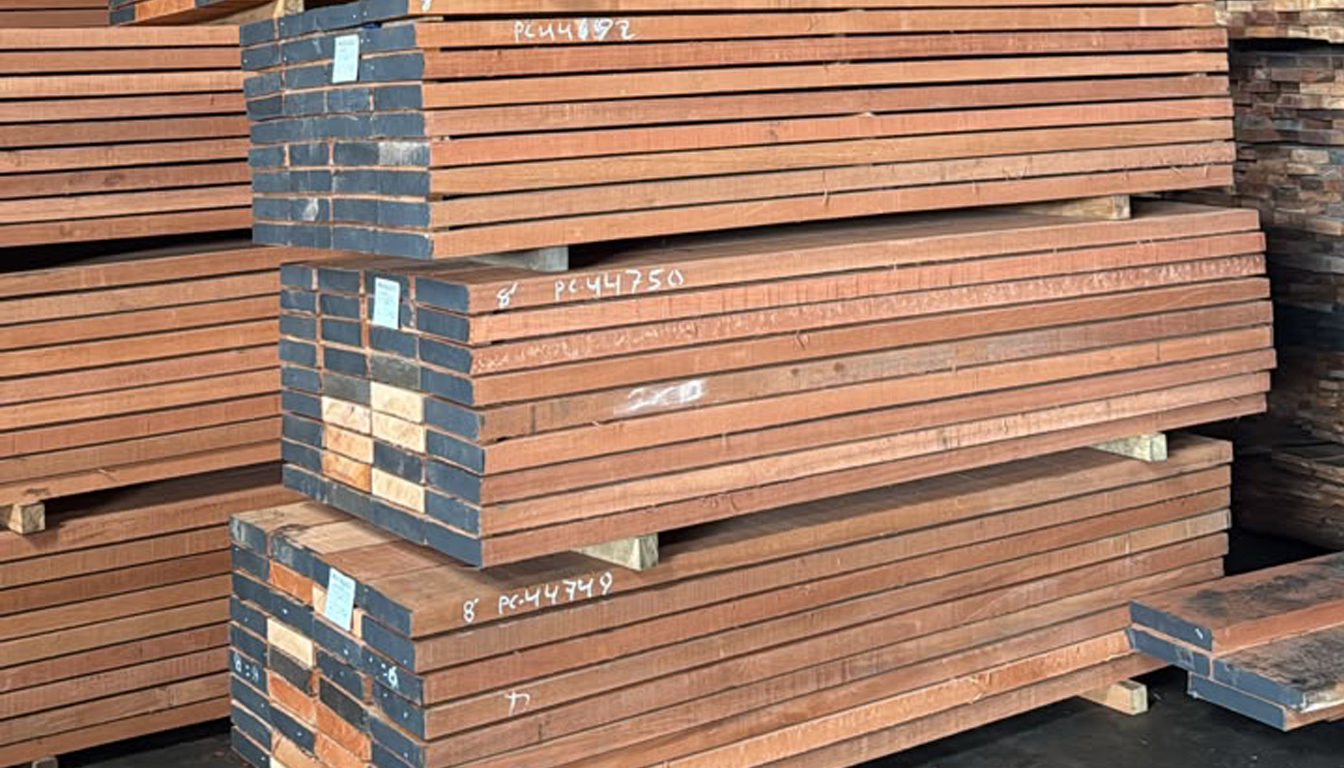
Known for its attractive reddish-brown color, straight grain, and smooth texture, Red Meranti has become the go-to choice for doors, windows, cabinetry, paneling, and furniture across Indian homes and commercial spaces. While it may not have the prestige of teak or the hardness of oak, it offers remarkable value for money — delivering professional-quality results at roughly half the cost of premium hardwoods.
At Horizon Wood Timber, we supply premium-grade Red Meranti sourced from sustainably managed forests in Malaysia and Indonesia, with proper certification and chain-of-custody documentation. This guide covers everything you need to know about Red Meranti Wood — its properties, common uses, pricing, and how to choose quality timber for your next project.
What is Red Meranti Wood?
Red Meranti belongs to the Shorea genus, part of the Dipterocarpaceae family that dominates Southeast Asian tropical forests. The term "Meranti" actually covers several related species, categorized by color: Red Meranti, Yellow Meranti, and White Meranti. Of these, Red Meranti is the most commercially important and widely traded.
The trees grow tall and straight, reaching heights of 60-80 meters (200-260 feet) in their natural tropical habitat. They are harvested at 30-50 years of age, producing timber with a characteristic reddish-brown heartwood that darkens slightly with age. The sapwood is paler and clearly demarcated from the heartwood.
Red Meranti is sometimes called "Philippine Mahogany" or "Lauan" in international trade — though it's important to note that it is not a true mahogany (Swietenia genus). The name was a marketing term coined in the mid-20th century to make the wood more appealing to Western buyers. Despite not being true mahogany, Red Meranti offers similar workability and aesthetic appeal at a much lower price point.
Red Meranti Wood Properties
Red Meranti is classified as a medium-density hardwood — softer than premium hardwoods like teak and oak, but harder than softwoods like pine. Its key physical and mechanical properties include:
| Property | Value | Implication |
|---|---|---|
| Janka Hardness | 780 lbf | Medium — suitable for general furniture |
| Density | 545-720 kg/m³ | Medium density, lightweight for hardwood |
| Modulus of Rupture | 12,500 psi | Good strength for furniture loads |
| Shrinkage (Radial) | 4.0% | Good dimensional stability |
| Shrinkage (Tangential) | 7.5% | Moderate — needs proper seasoning |
| Workability | Excellent | Easy to cut, plane, sand, and finish |
| Natural Decay Resistance | Moderate | Suitable for indoor use only |
| Termite Resistance | Low | Requires chemical treatment |
The wood's moderate hardness makes it exceptionally easy to work with hand tools and power tools alike. It cuts cleanly, planes smoothly, and takes nails, screws, and adhesives without splitting. This workability, combined with its affordability, is why Red Meranti dominates India's door and furniture manufacturing sector.
Common Uses & Applications
Red Meranti's versatility makes it suitable for a wide range of interior applications:
1. Doors and Windows
Red Meranti is perhaps the most popular wood for residential doors and windows in India. It offers good dimensional stability, takes paint and polish beautifully, and is significantly more affordable than teak. Both flush doors and paneled doors are commonly made from Red Meranti, often with hardwood veneer facing.
2. Furniture Manufacturing
From beds and wardrobes to dining tables and sofa frames, Red Meranti is the workhorse of India's furniture industry. It's particularly popular for budget and mid-range furniture where cost-effectiveness matters. The wood's reddish-brown tone adds warmth to interiors and pairs well with traditional Indian decor.
3. Cabinetry and Modular Kitchens
Red Meranti is widely used for cabinet frames, shelves, and drawer boxes. While visible faces may use more premium veneers, the structural parts of most Indian cabinetry are built from Red Meranti solid wood or plywood.
4. Wall Paneling and Partitions
The wood's warm color and ability to take a variety of finishes make it popular for decorative wall paneling, false ceilings, and wooden partitions in residential and commercial interiors.
5. Plywood and Veneer Production
Large quantities of Red Meranti are processed into plywood and decorative veneers. Red Meranti plywood is a staple of Indian construction, used for everything from furniture carcasses to concrete formwork.
6. Interior Trim and Molding
Red Meranti's workability makes it ideal for baseboards, crown moldings, door frames, and other interior trim elements. It holds profiles crisply and accepts paint uniformly.
7. Structural and Construction Use
In construction, Red Meranti is used for roof trusses, beams, rafters, and other light structural applications where moderate strength is acceptable. It's also processed into scaffolding planks and concrete formwork.
Red Meranti vs Other Woods
How does Red Meranti compare to other common hardwoods in the Indian market?
| Feature | Red Meranti | Teak Wood | White Oak |
|---|---|---|---|
| Color | Reddish-brown | Golden-brown | Light tan to brown |
| Janka Hardness | 780 lbf | 1,070 lbf | 1,360 lbf |
| Durability | Moderate (indoor only) | High (indoor & outdoor) | High (indoor & outdoor) |
| Workability | Excellent | Good | Good |
| Price (Rs./cft) | 1,200 - 2,500 | 2,500 - 5,000 | 3,500 - 5,500 |
| Best For | Doors, furniture, paneling | Premium furniture, doors | Flooring, premium furniture |
Value verdict: Red Meranti offers the best value per rupee for indoor applications where premium hardwood characteristics (outdoor durability, extreme hardness) aren't required. For doors, windows, and general furniture, it delivers 80% of teak's performance at 40-50% of the cost.
Red Meranti Grades
Red Meranti is typically graded based on appearance, color uniformity, and defect presence:
- Select & Better: Premium grade with uniform reddish-brown color, minimal knots, and clean grain. Best for visible furniture and doors.
- No. 1 Common: Good color with some variation, occasional small knots. Popular for cabinetry and mid-range furniture.
- No. 2 Common: More color variation and visible knots. Used for hidden structural parts and budget furniture.
- Construction Grade: Lower appearance grade for framing, formwork, and rough construction.
Red Meranti Wood Price in India (2026)
Red Meranti pricing in India is influenced by origin, grade, and current supply:
| Variety | Grade | Price (Rs./cft) |
|---|---|---|
| Malaysian Red Meranti | Select & Better | 1,800 - 2,500 |
| Malaysian Red Meranti | No. 1 Common | 1,500 - 1,800 |
| Indonesian Red Meranti | Select | 1,600 - 2,200 |
| Indonesian Red Meranti | No. 1 Common | 1,200 - 1,500 |
| Red Meranti Plywood (19mm) | Commercial | 90 - 130 per sq.ft |
For an accurate quote based on your requirements, contact Horizon Wood Timber.
Buying Tips for Red Meranti Wood
- Specify Malaysian or Indonesian origin: Malaysian Red Meranti is generally considered superior in color and density.
- Inspect color uniformity: Premium boards should have consistent reddish-brown color without gray streaks.
- Check moisture content: Properly kiln-dried Red Meranti should read 12-14% for furniture use.
- Look for termite treatment: Red Meranti is susceptible to termites — always buy treated wood.
- Verify sustainable sourcing: Ask for FSC or MTCC (Malaysian Timber Certification Council) certification.
- Inspect for defects: Avoid boards with loose knots, splits, or visible warp.
- Buy from established suppliers: Choose Horizon Wood Timber for certified quality and reliable delivery.